The Definitive Guide to Artificial Grass Installation: Upgrade Your Lawn Today
Synthetic grass installation provides a viable approach for homeowners seeking easy-care yard solutions. The following content covers the advantages of artificial grass, from all-season lush appearance to context information less maintenance. Additionally, it covers guidance on selecting the appropriate type of grass and essential tools for a successful project. Recognizing typical errors can prevent costly setbacks. As the project progresses, questions about total expenses naturally arise and how to ensure a flawless finished result.
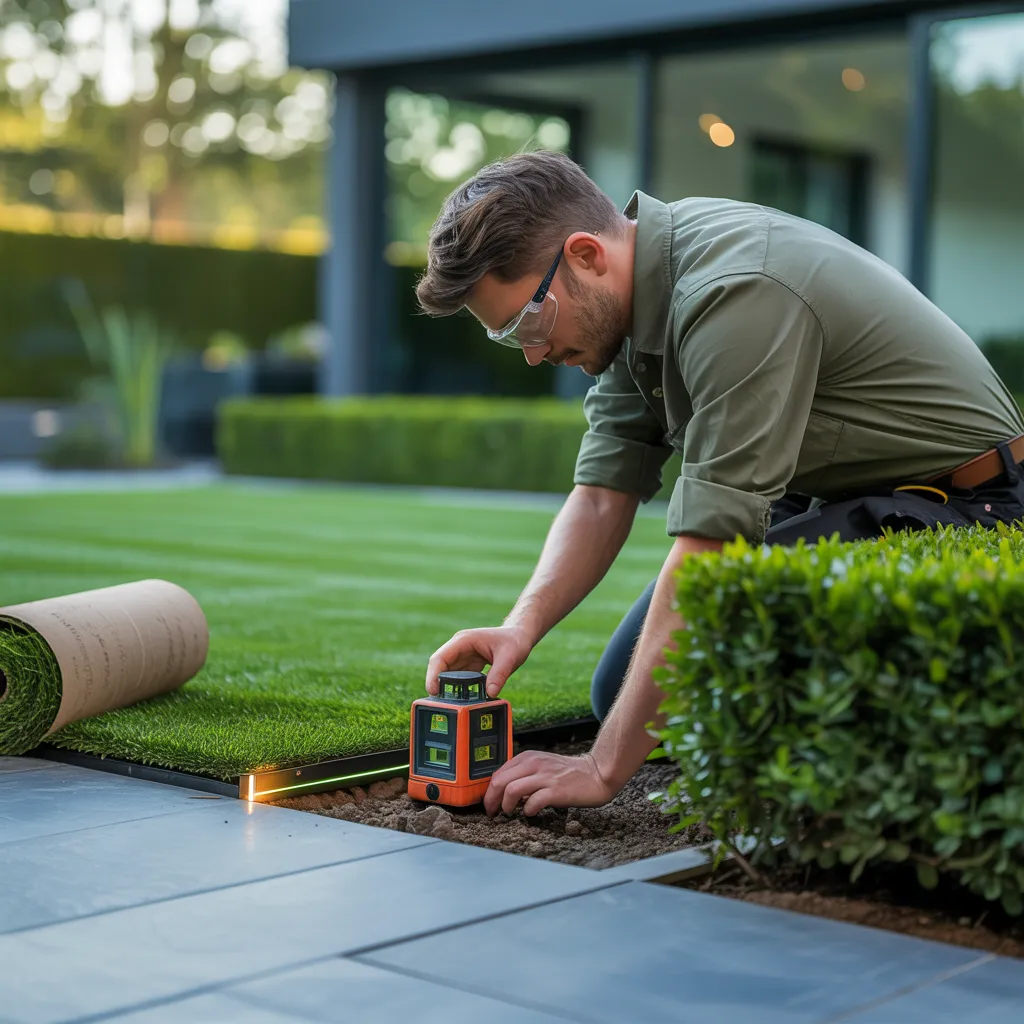
Why Choose Artificial Grass
Many homeowners are increasingly opting for artificial grass due to its numerous benefits. One of the primary advantages is its low maintenance requirements; artificial turf eliminates the need for mowing, watering, and fertilizing, reducing both time spent and costs incurred. Moreover, it maintains a rich green look throughout every season, no matter the weather, providing a reliably beautiful outdoor space.
One other important benefit is its long-lasting nature. Premium synthetic turf can handle heavy use and is highly durable against daily wear, making it ideal for households with children and pets. In addition, it promotes environmental responsibility by minimizing water usage and eliminating the reliance on chemical treatments and pesticides.
Moreover, synthetic turf presents adaptability in aesthetics, allowing property owners to develop practical areas such as children's play spaces, game courts, or ornamental landscapes. This adaptability makes it a popular selection for a wide range of landscaping projects, elevating the general appearance of private residences.
Picking the Ideal Type of Artificial Grass for Your Situation
How can one identify the best type of artificial grass for particular requirements? To begin, it is necessary to assess the desired purpose. Home lawns may require a softer and more realistic aesthetic, while professional environments might focus on long-lasting performance and minimal upkeep. Furthermore, examine the grass height and thickness. Higher density turf provides a luxurious aesthetic but may demand additional maintenance, while shorter grass types are simpler to maintain.
In addition, the color and texture affect visual appeal. Picking a tone that resembles natural grass improves authenticity, while different textures can improve foot traffic resilience. External conditions such as climate and sun exposure also matter; UV-stable varieties are a wise choice in regions with strong sun exposure.
Additionally budget constraints should be considered, as pricing fluctuates considerably among different types. By evaluating these factors, homeowners can identify the most suitable artificial lawn choice tailored to their specific requirements.
Necessary Tools and Materials for the Installation Process
In the installation of artificial grass, having the right tools and materials is vital for reaching a professional outcome. This part covers the key tools required, offers a checklist of required materials, and highlights the importance of safety gear. Proper preparation guarantees a smoother installation process and improves the overall outcome.
Required Tools Overview
Before starting an artificial grass installation project, ensuring you have the proper tools and materials ready is crucial for achieving great results. Key tools include a sharp utility knife for exact cuts, a tape measure for precise measurements, and a leveling rake for preparing the base. A shovel is necessary for excavating the current grass and earth, while a compactor ensures a solid foundation. Moreover, seam tape along with adhesive plays a vital role in binding turf pieces together smoothly. A rigid straight edge can ensure neat and clean edges while installing. To finish, a broom or brush is ideal for reviving the grass fibers after installation. Arming yourself with these essential tools will make the installation smoother and elevate the finished product.
Necessary Materials Checklist
A proper artificial grass installation requires a complete material inventory to confirm all necessary materials are on hand. Essential materials consist of premium synthetic turf, which should suit the desired aesthetic and durability. A robust underlayment is essential for cushioning and drainage, while filler material, such as sand or rubber, contributes weight and firmness. Adhesives and seam tape are necessary for joining edges, ensuring a seamless appearance. Weed barrier fabric stops weed development below the surface, enhancing longevity. Additionally, border restraints, like plastic or metal borders, assist in preserving the turf's form. Finally, a dependable drainage system is vital to stop moisture buildup. Keeping these supplies available simplifies the setup process, ensuring a smooth lawn transformation.
Necessary Safety Equipment
While starting a synthetic turf installation project, possessing the appropriate safety equipment is crucial to ensure a smooth and protected workflow. Workers should begin with protective eyewear to guard against hazardous materials and sharp edges. Heavy-duty gloves are vital for safeguarding hands from scrapes and cuts when working with tools and turf materials. Steel-toed boots provide additional foot protection, especially when lifting heavy items. A safety helmet should be worn in zones with possible overhead risks. Furthermore, knee pads improve both comfort and protection while kneeling throughout the installation. Ear guards could be essential when working with noise-producing power tools. By equipping themselves with these safety essentials, installers can minimize risks and maintain focus on the task at hand.
Your Step-by-Step Guide to Installing Artificial Grass
The installation of artificial grass requires a sequence of precise, systematic steps that deliver a successful makeover of any exterior space. Initially, the installation zone must be carefully measured and marked, guaranteeing exact dimensions are established for the work. Next, any existing grass or debris should be removed, after which digging is carried out to form a firm base. Crushed stone or gravel is subsequently laid down to improve drainage performance.
Once the base is prepared, a geotextile membrane can be laid down to stop weeds from growing. The fake lawn is unrolled, shaped to match, and firmly fixed using turf staples. Edges are bonded with turf tape or glue for a flawless appearance. To complete the installation, filling material, such as crumb rubber or silica sand, is distributed to anchor the grass and boost its aesthetic. Thorough brushing completes the process, helping the grass blades stand tall, producing a lush, natural-looking lawn ready to enjoy.
Typical Installation Mistakes and How to Prevent Them
Numerous pitfalls can arise during the application of artificial grass, which may undermine the final result. A frequent error involves insufficient ground preparation, which can cause surface irregularities and water drainage problems. A thorough excavation and a stable foundation are critical for lasting results. An additional typical problem concerns miscalculating the amount of material needed, causing gaps in coverage or excess material expenditure. To avoid this, accurately measure the installation area and account for seams and contours.
Moreover, neglecting to secure the edges can cause the grass to lift or shift over time. Applying suitable adhesives and securing methods is crucial. To conclude, neglecting to adequately brush or infill the turf can produce an unnatural finish and compromised lifespan. By addressing these pitfalls proactively, property owners can create a flawless and attractive synthetic lawn that improves their outdoor area.
What Should You Expect to Pay for Installation?
When evaluating fake grass installation, it is crucial to recognize the accompanying expenses. This covers both the material expenses for the artificial grass and needed materials, as well as installation costs for professional installation. A precise budget will help homeowners to make well-informed decisions about their lawn care investments.
Cost of Installation Materials
Artificial grass installation involves several material costs that can vary widely depending on factors like quality and the scope of the project. The biggest expenditure is the synthetic turf itself, which can range from $2 to $8 per square foot, depending on the material's durability and appearance. Additionally, infill components, such as silica sand or crumb rubber, typically cost between $0.50 and $2 per square foot. Other necessary materials, including weed barriers, adhesive, and seam tape, may contribute an additional $1 to $3 per square foot. With larger installations, bulk pricing can be available, potentially lowering overall costs. Property owners should factor in the expenses of required base preparation materials, including crushed gravel or decomposed granite, further impacting the final budget.
Labor Cost Breakdown
Labor costs are a major factor in the full price of artificial turf installation. Typically, these costs range from $5 to $15 per square foot, according to the complexity of the project and the skill level of the installer. Elements that affect labor costs include site preparation, the size of the area, and the variety of artificial turf chosen. If extensive leveling or drainage solutions are required, costs can rise. Moreover, working with professional contractors can elevate expenses but often ensures higher quality work and a longer-lasting finished product. It is recommended that homeowners collect multiple bids to compare pricing and services offered, making sure they select a qualified professional within their budget. Being aware of these labor expenses can help in planning a well-executed artificial turf installation.
Common Questions and Answers
What Is the Typical Lifespan of Artificial Grass?
Artificial grass usually remains functional for anywhere from 15 to 25 years, based on factors including installation quality, regular maintenance, and climate conditions. Adequate upkeep can improve its durability, making it a long-lasting solution for outdoor spaces.
Is Artificial Grass Recyclable?
Artificial grass is indeed recyclable. A wide range of manufacturers and recycling facilities will take used turf, enabling it to be reused for a variety of purposes, including playgrounds and landscaping, thereby reducing environmental impact and promoting sustainability.
Is Artificial Grass Safe for Pets?
Synthetic turf is typically safe for pets, as it is non-toxic and free of harmful chemicals. However, pet owners should guarantee proper drainage and maintenance to avoid odors and ensure a safe and clean environment for their pets.
Do You Need to Maintain Artificial Grass?
Artificial grass requires minimal maintenance in contrast to real grass. Common upkeep tasks involve periodic brushing, rinsing to remove debris, and checking seams for wear. Overall, it provides an easy-care solution all while keeping a beautiful and appealing yard.
Is Installing Artificial Grass Over Existing Grass Possible?
Yes, artificial grass is able to be installed over existing grass, but it's essential to prepare the surface properly. This requires removing debris, leveling the ground, and ensuring adequate drainage to prevent future issues.